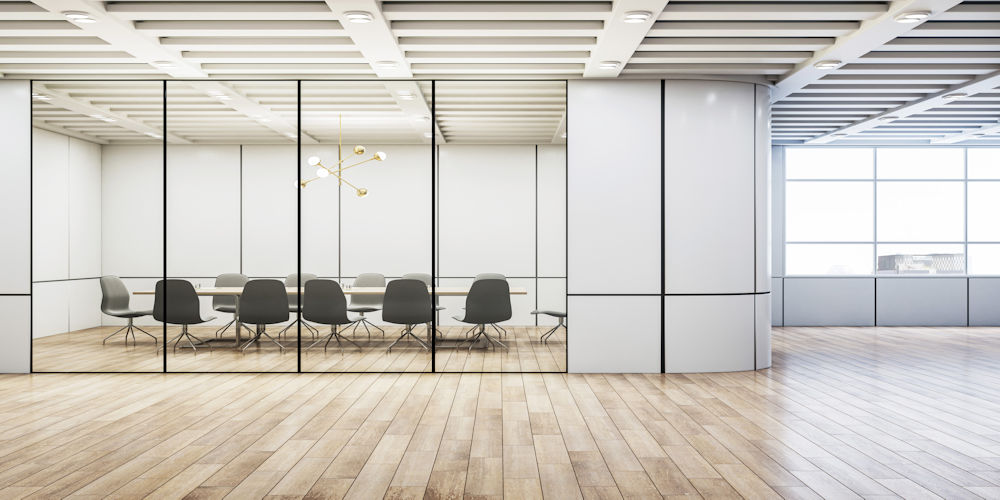

Partitioning Systems to Divide Interior Spaces
A well-planned office space can feel open, organized, and easy to use. That is where partition systems make a real difference. They help you divide teams, create meeting rooms, support private work, and improve flow without losing style. In interior design, the right layout is not only about looks. It is also about function. If you want a smarter workplace, understanding your partition options is a great first step.
When planning office interiors, it helps to know the main office partition types. The most common choices are fixed partition walls, movable systems, and glass office partitions. Each one serves different purposes in busy work areas.
Some businesses need full enclosure and strong separation. Others want an easy way to divide space without making permanent changes. The best fit depends on privacy, layout, and how your team uses the room. The next sections break down these options clearly.
Fixed Partitions for Permanent Division
Fixed partitions are built for long-term space division. They act much like permanent walls and are a practical choice when you need stable room boundaries. In many office settings, they are used to create private offices, reception areas, and meeting rooms that need more separation from the rest of the floor.
Unlike movable systems, fixed options stay in place. That is the main difference. If your goal is a lasting office divider with a clear structure, solid walls can give you that dependable result. They suit businesses that do not plan to change the office layout often.
This type of partition also works well when you want distinct work zones with stronger privacy. For office space that needs quiet zones or full enclosure, fixed partition walls are often the best office partition choice.
Movable and Modular Systems for Flexibility
If you want separation without building permanent walls, movable partitions are one of the best solutions. They help you divide an open office space fast and adjust it as needs shift. This is useful for hybrid work, changing team sizes, and rooms with different purposes during the day.
Here are a few flexible options:
- Movable partitions can split large rooms into smaller work areas.
- Partition panels can create private workstations or collaborative zones.
- Portable partitions are an easy way to add temporary partition solutions.
- Accordion walls and movable walls help reshape space with less disruption.
For businesses that value flexible layouts, these systems make a big difference. You keep control over the room without a major rebuild. They are especially helpful in modern offices where teams need both personal space and shared zones.
Glass Partitions for Light and Openness
Glass partitions are a popular choice when you want to divide rooms and still keep an open feel. Yes, they are effective for that purpose. A glass partition wall creates clear boundaries, but it does not block natural light the way solid walls do.
This makes glass partitions a smart fit for office interiors that need brightness and connection. They are often used for meeting rooms, quiet zones, and private offices where teams want separation without making the space feel closed off. Glass office partitions support a clean, modern look.
At the same time, they can offer visual privacy while keeping sightlines open. That balance is useful in modern workspaces. If you want your office layout to feel airy, professional, and organized, glass partitions are a great way to achieve it.
Understanding Modular Partition Systems
Modular partitions are built from sections that can be installed, adjusted, and moved as your office changes. These office partition panels are designed to help modern offices create useful zones without relying only on fixed construction. They are simple in concept and highly practical in use.
Many businesses choose demountable wall systems because they support growth and layout changes. You can create meeting spaces, private offices, or collaborative areas with less long-term commitment. To see why they work so well, it helps to look at how they function and what they offer.
How Modular Partitions Work in Modern Offices
Modular partitions work by using separate partition panels that fit together to form rooms, walkways, and work zones. In modern offices, this system gives you a practical way to shape the office layout without relying on one fixed plan. If your team grows or changes, the setup can change too.
You can use modular partitions to build private workstations, meeting spaces, or more open collaborative zones. This makes them useful in offices that need both structure and flexibility. Their main benefits are adaptability, speed, and better use of available floor area.
| Use in the office layout | How modular partitions help |
|---|---|
| Meeting rooms | Create enclosed areas without full permanent walls |
| Quiet zones | Support focused work with clear separation |
| Collaborative zones | Define team areas while keeping movement easy |
| Private offices | Build enclosed rooms that can be changed later |
This approach is a strong fit for businesses that want office design to stay responsive over time.
Main Benefits of Using Modular Systems
One of the biggest strengths of modular systems is how easily they adapt. Yes, partition systems can often be reconfigured if you want to change your space layout. That makes them a practical solution for growing teams, changing departments, and offices that need to support different ways of working.
Key benefits include:
- Demountable wall systems can be adjusted as your needs shift.
- They help create collaborative workspaces and quiet zones in the same office space.
- They support flexible layouts without needing full reconstruction.
- They are a practical solution for businesses with changing room use.
This kind of setup is especially useful when company culture supports movement, teamwork, and hybrid work. Instead of being locked into one design, you can respond to new needs more easily. That is why modular systems are such a strong option in modern offices.
Reconfiguring Spaces with Modular Solutions
Office needs rarely stay the same for long. Teams grow, projects shift, and room use changes. That is why modular partitions are so helpful. They make it easier to reshape space as your business changes, which supports smarter office design over time.
Because these systems use separate partition panels, sections can be moved or rearranged to suit new goals. You may want more meeting spaces now, then more private workstations later. With flexible layouts, that change is much easier to manage than with fixed construction.
This ability to reconfigure space can improve comfort and productivity too. People get the right setting for focused work, quick talks, or team sessions. In busy offices, that kind of control can make a big difference in how the whole workplace functions each day.
The Right Partition for Your Workspace
Choosing the right partition starts with your specific needs. Think about how your team works, how much privacy you need, and whether your office must support quiet focus, shared work, or formal meeting spaces. Different office partition types solve different problems.
You should also think about how often your office may change. Some businesses need a fixed setup, while others benefit from flexibility. Once you know your priorities, it becomes easier to compare materials, layouts, and design features. The next points will help you narrow your choice.
Factors to Consider for Efficient Space Division
Before picking partition walls, look closely at how your office space is used every day. A strong office layout should support movement, teamwork, private tasks, and comfort. The right system depends on whether you need open visibility, more privacy, or spaces with clear separation.
Useful things to review include:
- How much privacy each team or task requires
- Whether the office layout may need future changes
- How partition walls fit with building regulations
- Which areas need meeting rooms, quiet zones, or open collaboration
It also helps to think from a design perspective. Some systems suit reception areas and modern workspaces better than others. If you balance function, comfort, and compliance early, you are more likely to choose a setup that works well long term and supports better daily performance.
Modern Design Options and Custom Features
Modern room partitioning systems come in a wide range of materials and styles. You can choose glass for openness, wood partitions for warmth, or other composite materials for a different look and feel. This gives you more control over office design and how the space reflects your brand.
Many modern workspaces want more than a basic divider. They want bespoke solutions that fit daily use, company culture, and layout goals. That can include demountable partitioning, desk screens, office dividers, or jumbo partitioning for larger commercial spaces that need clear zoning.
For broader planning, some businesses also connect partition choices with internal office fit-outs and even commercial & industrial fit-out goals. In larger sites, this may sit alongside mezzanine floors, racking, and materials handling & storage solutions. With support from CI Interiors, you can align style and function in one practical plan.
Innovative Partitioning Systems
Innovative partitioning systems are revolutionising how we design and utilise our spaces. By understanding the various types of partitions, such as fixed, movable, and glass systems, you can create an efficient and aesthetically pleasing environment tailored to your needs. Modular systems offer remarkable flexibility, allowing for easy reconfiguration as your workspace evolves.
Choosing the right partition not only enhances functionality but also contributes to a modern and inviting atmosphere. Embrace these solutions to transform your space into one that promotes productivity and creativity. If you’re ready to explore the possibilities further, don’t hesitate to reach out for a free consultation!