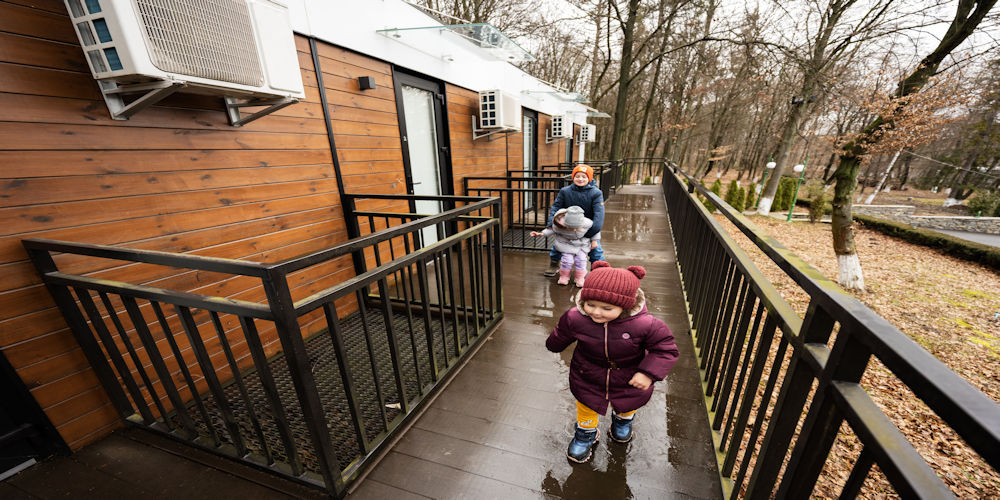

Benefits of Modular and Portable Classrooms
As schools across the UK face increasing pressure from growing pupil numbers and evolving educational needs, modular and portable classrooms are emerging as a smart, forward-thinking solution. Unlike traditional construction, modular classrooms can be installed quickly with minimal disruption to daily school life. This means that students and teachers benefit from comfortable, modern learning spaces without lengthy building works or noisy interruptions.
One of the greatest advantages of modular classrooms is their flexibility. As schools’ requirements change, whether due to fluctuating enrolment or new curriculum demands, these adaptable spaces can be easily expanded, reconfigured, or relocated. This ensures that educational facilities remain fit for purpose both now and in the future.
Moreover, modular construction is typically more environmentally friendly than conventional methods. Many units are built using sustainable materials and energy-efficient designs, helping schools reduce their carbon footprint while providing healthy environments for students.
In short, embracing modular and portable classrooms allows schools to respond rapidly to challenges while maintaining a high standard of education. It’s an investment in both present needs and future growth, unlocking new possibilities for pupils across the country.
Understanding Modular and Portable Classrooms: What Are They?
When schools face the challenge of rising enrolment or the need for flexible learning spaces, modular classrooms and portable classroom buildings offer a smart, adaptable solution. But what is a modular school building, and how does it differ from traditional construction? Simply put, modular classrooms are prefabricated structures built off-site in controlled factory settings. These sections, or modules, are then transported to the school grounds and assembled quickly with minimal disruption to daily activities.
Portable classroom buildings are similar but focus on mobility. Designed to be easily relocated or removed as needs change, these temporary classrooms provide schools with the agility to respond to fluctuating student numbers or renovation projects without long-term commitments.
Both modular and portable options deliver high-quality environments that meet all safety standards while offering impressive cost savings and rapid installation compared to conventional builds. Prefabricated classrooms can be tailored for various educational needs, from science labs to nurseries, making them ideal for both short-term solutions and longer-term expansion plans.
Whether you require additional space for just a term or several years, modular and portable classroom buildings present an efficient, sustainable alternative that keeps your school’s growth on track without sacrificing quality or comfort.
The Key Advantages of Modular and Portable Classroom Solutions
When it comes to meeting the evolving needs of schools, modular and portable classroom solutions offer a host of compelling benefits. One of the main advantages is their cost-effectiveness; modular classrooms are often significantly more affordable than traditional builds, making them an ideal choice for schools seeking budget-friendly expansion. These cost-effective classroom solutions also allow for rapid installation, minimising disruption to students’ learning.
Flexibility is another key benefit. Modular classrooms provide adaptable and flexible learning spaces that can be reconfigured or relocated as requirements change, perfect for growing pupil numbers or shifting curriculum demands. This adaptability ensures that educational environments remain responsive to both short-term needs and long-term strategies.
Additionally, energy-efficient classrooms are increasingly important in today’s climate-conscious world. Modular buildings can be designed with advanced insulation, efficient heating systems, and sustainable materials to reduce energy consumption and lower running costs. Sustainable construction methods used in modular design further minimise environmental impact by reducing waste and enabling recycling throughout the building process.
The benefits of modular classrooms extend far beyond simple convenience, they represent a smart investment in flexible, sustainable education spaces that support both current demands and future growth.
Comparing Modular Classrooms to Traditional School Buildings
When evaluating modular vs traditional construction for school buildings, the advantages of modular classrooms quickly become apparent. One of the most significant benefits is the speed of installation. Unlike traditional school buildings, which can take months or even years to complete, modular classrooms are manufactured off-site and assembled on location in a fraction of the time. This rapid delivery minimises disruption to the learning environment, ensuring that pupils’ education continues smoothly without long periods of noise, dust, or restricted access.
Furthermore, modular classrooms offer a level of flexibility that conventional methods simply can’t match. Customisable school buildings allow educational institutions to adapt spaces to their specific requirements, whether that’s creating additional breakout rooms, specialist labs, or accessible facilities as needs evolve. In contrast, traditional construction is often less adaptable and more costly when it comes to future modifications.
Ultimately, when comparing modular vs traditional construction for schools, it’s clear that modular solutions provide a faster, less disruptive and more customisable way forward for modern education environments.
The Process: From Planning to Installation of Portable Classrooms
The journey from concept to completion of portable classrooms is a streamlined and efficient process, designed to minimise disruption and maximise results. The classroom installation process in the UK begins with thorough planning, where educational needs are assessed and site surveys are conducted. Securing planning permission for modular buildings in the UK is an essential early step; reputable suppliers will guide schools through the application, ensuring all local authority requirements are met.
Once permissions are in place, attention turns to site preparation for portable classrooms. This includes clearing and levelling the ground, installing necessary utilities, and ensuring safe access routes, all critical factors that contribute to a smooth installation. The delivery and assembly timeline is another key consideration; thanks to off-site construction methods, modules can be delivered promptly once groundwork is complete. On-site assembly is swift, often completed within days, minimising any impact on daily school activities.
By following this well-defined process, schools can benefit from high-quality learning spaces delivered on time and tailored precisely to their needs.
Sustainability and Eco-Friendliness in Modern Modular Classroom Design
Sustainability and eco-friendliness are no longer optional considerations, they are essential elements in the design of modern modular classrooms. Across the UK, sustainable school buildings are setting a new standard for educational environments, combining innovative green construction methods with a commitment to reducing environmental impact. By prioritising eco-friendly classroom materials such as recycled timber, low-VOC paints, and energy-efficient glazing, schools can create healthier learning spaces while minimising their carbon footprint.
Green construction methods in the education sector go beyond material choices; they include strategies like maximising natural light, improving insulation to reduce heating costs, and incorporating renewable energy sources such as solar panels. These approaches not only lower operational expenses but also foster a culture of environmental responsibility among students and staff alike. As we look to the future of education in the UK, embracing sustainability in modular classroom design is both a practical and moral imperative, ensuring that our schools nurture not just young minds but also the planet they will inherit.
Customisation Options: Tailoring Modular Classrooms to Suit Every Need
One of the most compelling advantages of bespoke modular classrooms in the UK is their exceptional flexibility. Schools no longer need to settle for one-size-fits-all solutions; instead, modular buildings offer adaptable interior layouts that can be tailored precisely to your institution’s requirements. Whether you need open-plan spaces for collaborative learning or smaller, focused areas for specialist tuition, these classrooms can be configured with ease.
Moreover, technology integration in portable classrooms is now more seamless than ever. From interactive whiteboards and advanced AV systems to robust Wi-Fi connectivity and smart lighting, modular solutions are designed to support modern teaching methods from day one. This ensures students and teachers alike benefit from a cutting-edge learning environment without the lengthy disruptions associated with traditional construction.
Ultimately, bespoke modular classrooms provide schools across the UK with an efficient way to expand or upgrade facilities while maintaining complete control over design and functionality. With adaptable interior layouts and comprehensive technology integration available as standard options, there’s no limit to how you can shape your educational spaces for current needs, and future growth.
Overcoming Common Myths About Modular and Portable Classrooms
Despite their growing popularity, modular classrooms still face several misconceptions in UK schools. One of the most persistent myths is that these buildings lack durability. In reality, modern modular classrooms are constructed using robust materials and advanced engineering techniques, ensuring they stand the test of time, often matching or even surpassing traditional builds in longevity.
Another common concern relates to safety standards. Rest assured, every modular classroom installed in the UK must comply with rigorous building regulations and undergo thorough quality assurance checks before students set foot inside. This means schools can be confident that these spaces are just as safe as any permanent structure.
Quality assurance doesn’t stop at safety; it also extends to design and aesthetics. Gone are the days when portable classrooms were drab and uninspiring. Today’s modular solutions offer sleek, modern design options that blend seamlessly with existing school architecture while providing bright, airy learning environments.
By addressing these misconceptions head-on, it becomes clear that modular classrooms provide a practical, attractive solution for expanding school capacity without compromising on quality or safety.
Why Now is the Time to Choose Modular and Portable Classrooms for Your School’s Growth
As schools face ever-changing demands, investing in modular and portable classrooms is a forward-thinking decision that can truly future-proof your institution. These innovative solutions offer flexible expansion options, allowing your school to adapt quickly to fluctuating student numbers or curriculum changes without the lengthy disruption of traditional construction. By choosing modular buildings, you’re not just adding space, you’re investing in modern learning environments that inspire students and support staff.
The benefits are clear: faster installation times, cost-effectiveness, and sustainable construction methods all make modular classrooms an ideal choice for growing schools. Don’t let outdated facilities hold your school back from reaching its full potential.
Take action today, contact reputable modular classroom providers to discuss how these adaptable spaces can meet your needs now and well into the future. Your school community deserves nothing less than a learning environment designed for success.


