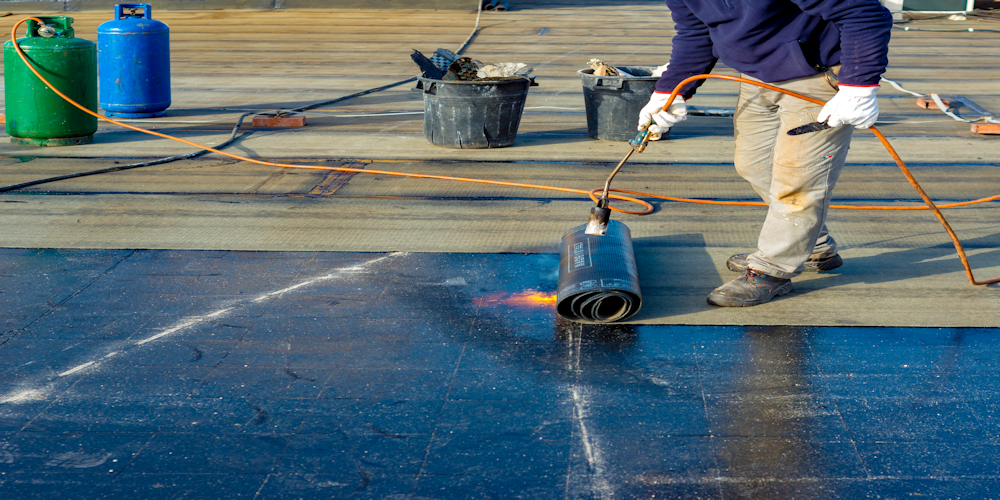

Understanding High Performance Felt Roofing
Choosing the right roofing system matters when you want reliable protection and fewer future issues. In the UK, many owners and managers need a solution that is simple, durable, and backed by a clear specification. That is where high-performance felt stands out. At Easyseal UK, the focus is on practical waterproofing systems for industrial and commercial buildings. You get experienced advice, site surveys, and support that helps you match the right system to your roof and your project needs.
High-performance felt roofing is used to protect a roof area from water, weather, and wear. It forms part of a dependable waterproofing approach for industrial and commercial buildings. When fitted to the right standard, it gives assurance that the roof can handle daily exposure.
You may also hear about a single-ply membrane waterproof system. This is a separate sheet-based system used for waterproofing, often on flat roof projects. Easyseal UK works with both felt and single-ply solutions, helping you choose a suitable option through a clear specification and survey.
What Makes Felt a High-Performance Material?
High-performance felt is valued because it is made for demanding roofing work, not just light patching. On industrial sites, the roof is exposed to standing water, fluctuating temperatures, and age-related wear. A stronger felt system helps you manage these pressures more effectively and provides greater assurance throughout service life.
Performance also depends on the condition of the roof below. If there is corrosion on metal details, damaged areas, or weak points around roof lights, those issues can affect results. That is why Easyseal UK starts with a free site survey and prepares a full specification before work begins.
Another key point is product approval and correct application. Surveyors and clients often look for confidence markers such as BBA-backed materials where relevant, skilled operatives, and a contractor that understands system requirements. Good preparation and fitting make a big difference.
How Waterproof Coating Enhances Protection
A waterproof coating adds another layer of defence over selected roof surfaces. This can help protect felt, single ply, asbestos, or metal roofs, depending on the project. For many buildings, this improves waterproofing without requiring a full replacement.
In simple terms, coating systems can be a practical option compared with other roofing materials because they support renovation work and can extend service life. Easyseal UK applies high-performance waterproof coating membrane systems and offers clear assurance through system advice and warranty options.
Useful benefits include:
- extra weather protection over the existing roof surface
- support for remedial work where local defects have been addressed
- a neat finish that can suit wider building renovation plans
This makes coating a smart part of a broader roofing strategy.
Types of Felt Used in Industrial Roofing
In industrial roofing, felt is one of several systems considered during planning and renovation. The right choice depends on the building, the existing roof condition, and the project specifications. Easyseal UK works across the UK and helps clients find economical solutions for felt, liquid systems, and other waterproofing methods.
Single-ply membranes are another common option for waterproofing roofs. The main types named in commercial work include PVC, also called polyvinyl chloride, and FPO, also known as flexible polyolefin. The next sections explain how these systems compare and where each may fit.
Single Ply Membrane Systems Explained
A single-ply membrane is a sheet-based waterproofing layer used on roofs and sometimes on related building surfaces. It works by creating a continuous barrier that stops water from entering the building. Easyseal UK is an approved contractor for numerous manufacturers of liquid coatings and single-ply membrane waterproofing systems, so that clients can receive useful advice for each job.
Two types named in this field are PVC and FPO. PVC means polyvinyl chloride. FPO means flexible polyolefin. Both are used in single-ply membrane systems, but the right choice depends on project needs, roof condition, and specification.
| Type | Meaning | Typical use in this context |
| PVC | Polyvinyl chloride | Used as a single-ply membrane for roof waterproofing |
| FPO | Flexible polyolefin | Used as a single-ply membrane where a sheet waterproofing system is needed |
| Felt | High-performance felt system | Used as an alternative waterproofing layer in industrial roofing |
These options are usually reviewed during the survey and design phases.
Comparing Felt with Other Roofing Materials
Felt is often chosen because it suits renovation work and offers a familiar roofing system for many industrial sites. Single-ply systems also provide effective waterproofing, while liquid coatings can help extend the life of existing surfaces. The best option is not the same for every building.
Specifiers and surveyors usually compare systems by looking at roof condition, access needs, budget, and the required specification. On some projects, clear product information and recognised standards such as CCPI-style clarity can support decision-making, though the practical survey still matters most.
Key comparison points include:
- felt can be a strong choice for established flat roof renovation work
- single ply can provide sheet-based waterproofing for selected projects
- liquid systems may suit refurbishment where full strip-off is not needed
- coating systems can also support industrial wall cladding upgrades
That is why system matching is so important.
Installation Process of High Performance Felt Roofing
The installation process starts with understanding the roof area and checking its condition. In industrial roofing, that means looking for defects, weak points, and any needed repairs before the main system fails. Easyseal UK offers a free site survey and then provides a full specification and costing.
Single ply systems follow the same basic planning logic. The roof is inspected, the correct system is chosen, and trained operatives install it to the agreed specification. Good preparation is what supports long-term waterproofing performance.
Steps for Applying Felt and Waterproof Coating
Before application starts, the roof must be checked carefully. Easyseal UK identifies problem areas, prepares the surface, and sets out the specification for the chosen system. This may include repair work on felt, steel, asbestos, or asphalt roofs before the main waterproofing layer is applied.
The next stage is installation by trained site operatives. Felt or coating is applied as part of a planned system, not as an isolated patch. That provides greater assurance because each step is linked to the roof’s condition and the intended finish.
Typical steps include:
- survey, cleaning, and repair of damaged areas before installation
- application of the selected felt or waterproof coating system to the prepared surface
Where needed, roof light replacement or related remedial work can also be included.
Best Practices for Industrial Roofing Projects
Good industrial roofing work starts before materials arrive on site. A full review of the roof area helps you spot leaks, wear, blocked drainage, and local damage. This is also the right time to consider access, future maintenance, and any associated cladding needs.
For long-term assurance, maintenance should stay simple and regular. Easyseal UK already provides maintenance support, as well as gutter cleaning and gutter lining systems. These steps help keep water moving away from the roof and reduce the chance of hidden defects growing.
Best practice usually includes:
- carrying out periodic inspections of the roof area and details
- keeping gutters and outlets clear so water does not build up
- repairing small defects early before they spread across larger sections
This approach supports both felt and single ply systems.
High Performance Felt Roofing
High-performance felt roofing stands out as an exceptional choice for industrial buildings, offering superior durability and waterproofing. With its unique material properties and effective installation techniques, it not only ensures prolonged protection against the elements but also contributes to overall energy efficiency. Embracing high-performance felt means investing in a reliable roofing solution that promises long-lasting results and peace of mind. If you’re considering an upgrade or installation, don’t hesitate to reach out for more information or guidance on getting started. Your roof is an essential part of your property, so make sure you choose the best!
Frequently Asked Questions
Is High Performance Felt Suitable for Flat Roofs and Industrial Buildings?
Yes, high-performance felt is well suited to flat-roof work on industrial buildings in the UK when matched to the right specification. With a proper survey and skilled application, it provides reliable waterproofing and assurance for renovation and selected new work.
How Long Does a Felt Roof with Waterproof Coating Last?
Service life depends on roof condition, preparation, and the chosen roofing system. Easyseal UK offers 5- to 25-year warranties for some waterproofing systems. Surveyors will usually assess the roof first, and product approvals, such as BBA approvals, can provide additional assurance where relevant.
What Maintenance Is Required for Felt Roofs?
Felt roofs require simple maintenance, such as inspecting the roof, clearing gutters, and repairing minor damage promptly. Specifiers often recommend planned inspections for both older properties and new-build projects. This ensures that small issues do not turn into expensive repairs later.
Easyseal UK also supports wider property needs through Commercial Roofing Services, Commercial Wall Cladding Services, Commercial Flooring Services, and Asbestos Roof Cleaning and Asbestos Removal Services. For help, you can visit https://www.easysealuk.com/, call (0191) 417 7822, or email ronnie.thirlwell@easysealuk.com.